Released: 20th March
Seen: 29th March
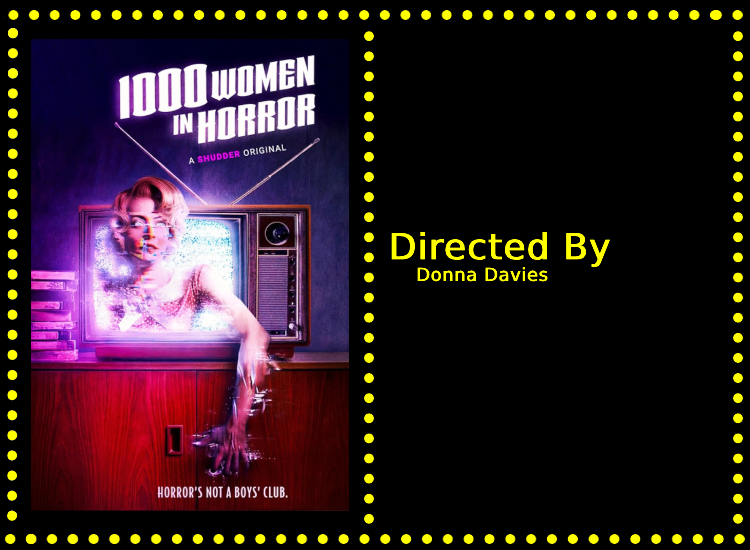
Nowadays, it feels like talking about representation in the media is a touchy subject. Not because we aren’t doing enough (we’re not) or because the representation isn’t good (it could be better but we’re working on it) but because even talking about how cinema can represent a minority group of any form tends to make the morons who think DEI is a bad thing lose their fucking minds. Those morons are probably the ones who need the education that could be provided by a film like 1000 Women In Horror but they’re also the least likely to see it which is a shame because it’s quite good.
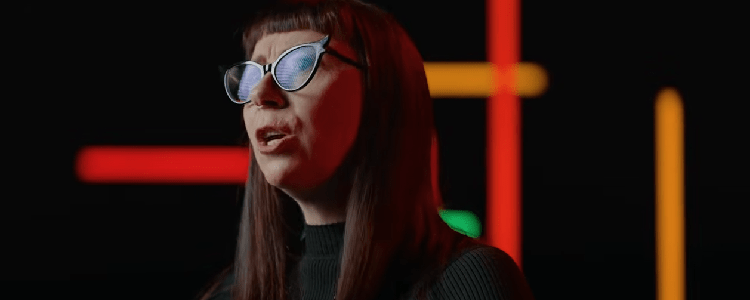
1000 Women In Horror, based on the book of the same name by Alexandra Heller-Nicholas, takes the audience through a history of the horror genre told not in chronological order but in order of a woman’s life. Starting with films about childhood, moving up to adolescence, adulthood, pregnancy, work life and eventually death, each section of the film explores how these elements of a woman’s life are explored through the horror genre and provides some truly fascinating examples of films, everything from Carrie to The Stylist, it’s a barrage of films that you will know well – and some you may have never heard of, even if you’re a horror super-fan. Combined with talking head interviews from prominent female horror icons (Brea Grant, Mary Harron and Akela Cooper just to name a few), 1000 Women in Horror makes sure to be as definitive as a 90 minute film can be about this subject while still leaving the door open for more in the future.
If you were a fan of previous Shudder documentaries Horror Noire or Queer For Fear then this film is basically doing the same thing, only instead of being about Black horror or LGBT horror we’re now tackling Female horror as a genre and it does a good job. It’s blunt and to the point about what this film is about and it’s unapologetic. It’s progressive as fuck, it includes trans women in the discussion, it uses terminology like “cis” in a manner almost designed to make idiotic bros pretend to be offended and it doesn’t hold back so if that kind of thing is going to upset you… well, you might just want to stop reading this altogether because I am not the reviewer for you, but this documentary is also not for you so you might want to skip.
For those who stay, you’re given a pretty interesting look into the genre and how it relates to the reality of being a modern day woman. At first just in the stories being told in general but as the film goes on they start throwing in how different it is when a woman is behind the camera for these kind of stories. There’s a visceral difference between I Spit On Your Grave and Revenge, even though those are both rape-revenge films, but the film points out why Revenge (made by a woman, the same one who blessed us with The Substance) is better at handling the difficult subject matter than I Spit On Your Grave was. It doesn’t hold back and play nice about it either, it calls out the problems (men who think they know more about women than women do) and shows what happens when you let women tell their own stories.
If you’re just looking for a film that’s gonna give you a fantastic list of films to watch, this one also happens to be pretty good at that too because almost all of the films it talks about are absolute bangers. It obviously has a few very specific ones it gives focus to, with only 96 minutes it has to be particular about which films it stops to talk about for longer than 10 seconds, but just as a checklist of interesting films to check out this is a great one if you’re wanting a chance to expand your viewing horizons with some interesting female-led horror.
There are also some moments where the documentary can actually make you appreciate some of the lesser films it talks about, there’s an entire segment dedicated to talking about the Black Christmas remake that was almost universally panned and, while it doesn’t make that film suddenly good, it does make some of the decisions made a lot more understandable and creates some interesting discussions. This film is full of those moments that feel like they are giving the audience the tools to think a lot more critically about these films, even the ones they may have dismissed before. There are no value judgements given to these films other than a few being proclaimed as great, the lack of negativity towards the films is honestly quite refreshing (even though boy it’s hard not to be negative about that Black Christmas remake)
The only real problem that 1000 Women in Horror has is down to its time limit, there’s so much to really talk about with these films that you can feel the documentary actively holding back some of the more interesting discussions that it could be having because it has to move on. We have so many more sections of horror to get to that there’s no time to really stop and take it all in. This is one of those few times where it might’ve been better if this single documentary were a series so they could really explore all these ideas, take the time to delve into pregnancy-inspired horror, a few more minutes exploring the hagsploitation genre, maybe a touch more time on some trans-women led films. It’s a great starter piece but you can feel them wanting to do more and I really wish they could’ve… and really, “I would like more” is a pretty good negative criticism for the film to get.
1000 Women in Horror is a great way to explore another subset of the horror genre that often gets brushed aside. It’s educational in a way that’s easy to engage with, that lets you think about this wild little genre in a way you might’ve gotten into before. It’s the kind of documentary that can hopefully give its audience a chance to really explore the genre in a brand new way they might not have thought about before, It’s a documentary that’s here to celebrate all the work that women have done to make the horror genre what it is and damnit, it’s about time we got to celebrate that.

 Movie Meister Reviews