Originally, I was planning to see a movie called Lords of Chaos, a thriller about a Norwegian Black Metal band. I didn’t know much about it, other than it was inspired by an actual band and involved suicide, murder, arson and other shocking concepts. I was going to go see that but since I don’t make money from this and don’t get critic screenings a cost factor kicked in and I decided it wasn’t worth it so instead I ended up watching a movie about a man slowly dying of cancer… which, shockingly, was way more enjoyable sounding than the movie about the Norwegian Black Metal band.
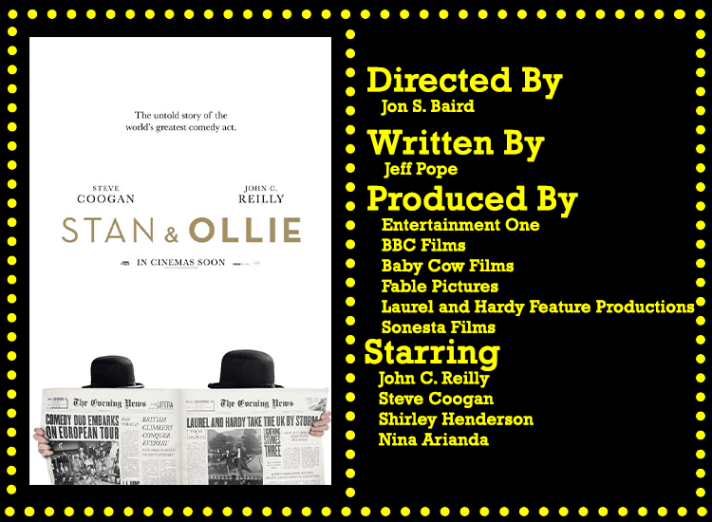
When you look back through the history of cinema there are only a few performers who can truly be considered icons. One of the biggest icons in the history of cinema is Laurel & Hardy, a comedy duo who made over 100 films together over the course of about two decades where they basically were the biggest names in comedy. Their partnership started almost by accident, the two of them were part of the old Hollywood system that signed people up to contracts that kept them working for years and turned them into one of the most iconic duos in history. It was almost inevitable that some portion of their lives was going to be turned into a biopic, as it seems Hollywood loves to tell stories about itself. Of all the stories that could’ve been told, the one they picked was absolutely perfect.
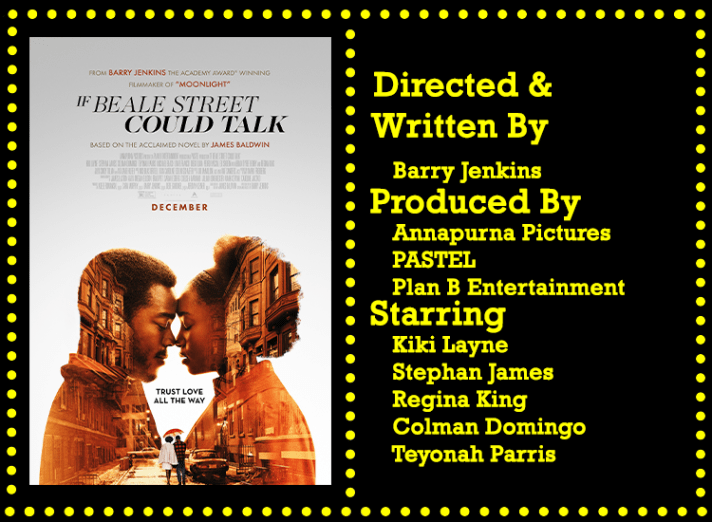
In America today, one of the major issues is the way people are shuttled through the prison system, specifically people of colour. Thanks to a large amount of systemic racism that poisoned the prison system, African Americans now make up over a third of the prison population while only making up roughly a tenth of the American population. For me to go further into the details of what this means would be a pointless aside, though if you want the full context you’re going to need for this film then I suggest watching the amazing (and should’ve been Academy Award winning) documentary 13th on Netflix. The story of the prison system and what it has done to black American’s is the backdrop for If Beale Street Could Talk and while you might not need that bit of knowledge, it will make the film a richer experience.
When the history of the fight for women’s rights is written, a solid chunk of that book will inevitably revolve around Ruth Bader Ginsburg, current Justice of the Supreme Court and (hopefully) owner of the philosopher’s stone that will grant her immortality so that she may survive for another millennium. She is, unquestionably, one of the key figures in the women’s rights movement and it seemed inevitable that her rise from law student to Supreme Court Justice would be turned into a biopic at some point, and it got one in the form of On The Basis of Sex.
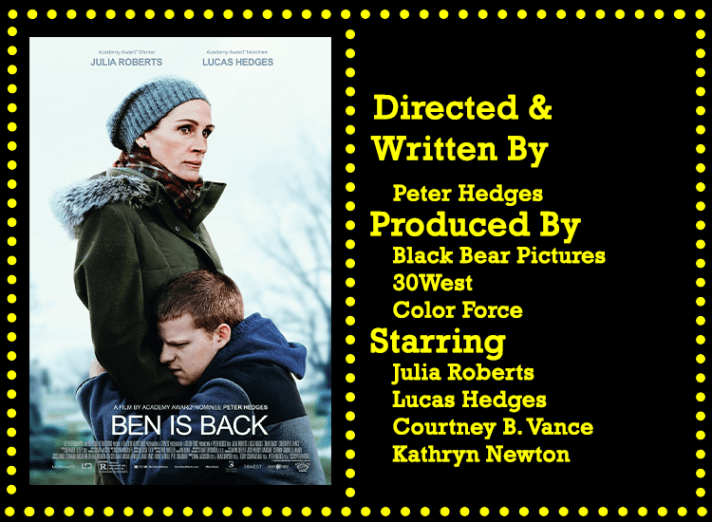
Every day in the United States, 130 people die from an overdose of opioids. Brought on by the pharmaceutical companies pushing painkillers that turned out to be highly addictive, this crisis has raged on through several communities and destroyed countless lives. While the phrase “Gateway drug” is one usually associated with pot, it should probably be used for opioids exclusively since (According to this piece by the National Institute on Drug Abuse) 80% of heroin users started by misusing prescription opioids. This is an absolute crisis that was inevitably going to be touched on by some form of media other than a documentary. So, how did Ben is Back handle this topic? Pretty well, to be honest.
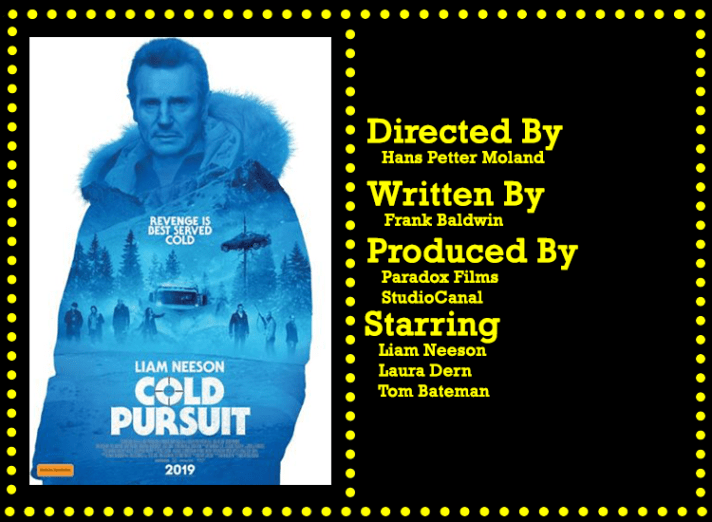
When I was picking what film to go see this week, I put a poll up on my twitter account to ask what to see out of the multiple options available at my local cinema. The movies available to choose from were On The Basis Of Sex, Cold Pursuit and Ben Is Back. By the end of the poll, it was a tie between Cold Pursuit and Ben Is Back. A randomiser then picked the winner, so it’s not my fault that I went to see Cold Pursuit, it was fate… horrible, horrible fate
Released: 7th February Seen: 4th February (Advanced Screening)
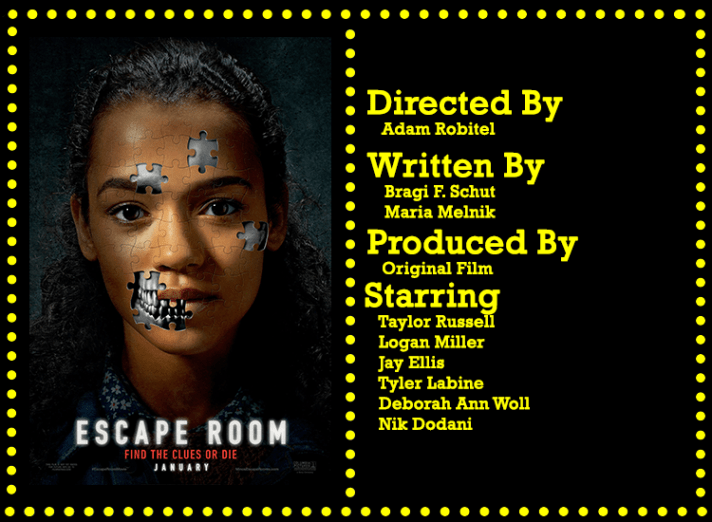
In 1997 there was a film released called Cube, a glorious little horror film about six strangers waking up in a cube that turned out to be part of a gigantic maze. During the 90’s horror resurgence this was one of the big markers of change, showing you could basically create a tense powerful horror film that relied on people being intelligent instead of just being the dumb jock and the virgin girl. They also dealt with things like suspicion, doubt and the general fear that comes from not knowing which room is going to carve you up into tiny pieces like a box-shaped blender, creating a sense of tension that built every time they would enter a new room and find a new math puzzle. That’s right, it’s a horror film and everyone tries to save themselves with complicated mathematics. It’s a genuinely brilliant thrill ride and I highly recommend it… because that’s basically what Escape Room is, except Escape Room wishes that it was as intelligent as Cube was.
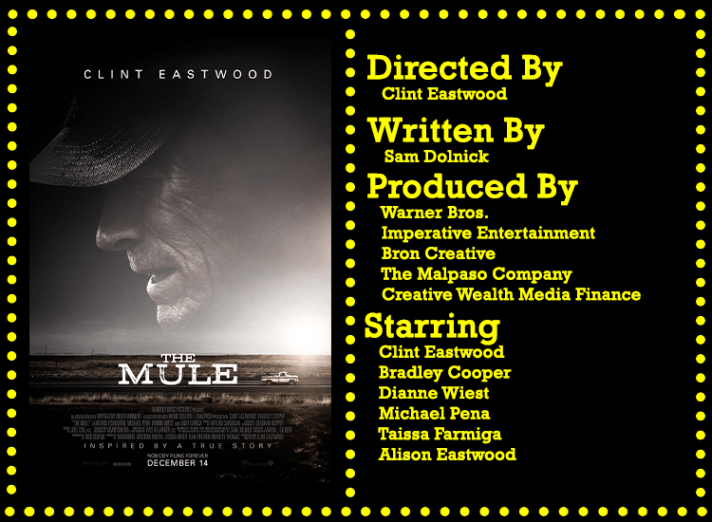
In 2014, the New York Times printed an article titled “The Sinaloa Cartels 90-year-old Drug Mule” about a man named Leo Sharp who spent around a decade as one of the biggest drug runners for El Chapo. Dubbed Tata (The Grandfather), Leo would drive around the country in an old truck with hundreds of pounds of cocaine in the back. He’d go undetected due to his age, his clean record and by how fragile he could appear. The article itself is a fascinating read, exploring just how a senior citizen could go from being a veteran to transporting potentially thousands of kilos of cocaine. It’s a tale that seems tailor-made to be a movie and I guess Clint Eastwood thought that too because now we get a film about the 90-year-old drug mule and honestly, it’s not that bad.
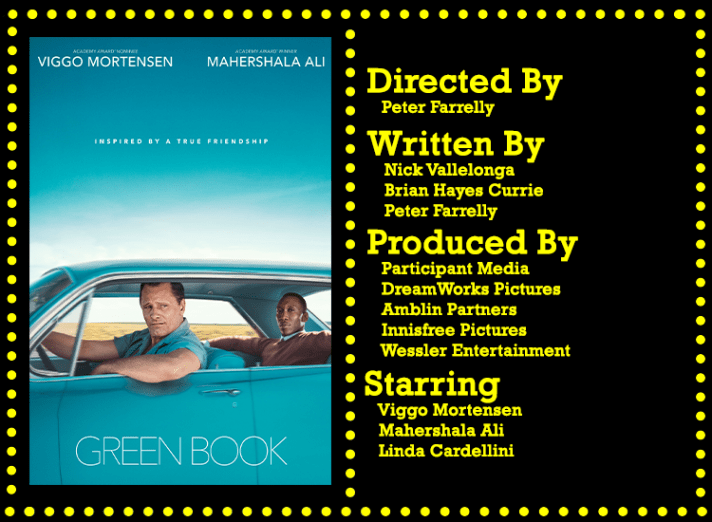
When it comes to topics that will spark an intense conversation about a movie, there is none quite as fraught as the delicate subject of race. It’s a subject that must be handled with care because the fact of the matter is that when trying to explore the history of racism in a movie, you can run the risk of accidentally making things worse in your attempt to explore it. I’m certain, for example, that the filmmakers behind Crash had the best of intentions when making their film regarding racism and were clearly trying to explore what causes it. At the time the film was given critical praise and a Best Picture Oscar… now we look back on it as a poorly executed film that is all surface and no depth. Even the people who gave it the award now look back and say “Oh damn, we should’ve given it to the one with the Cowboys”. To quote Ta-Nehisi Coates article ‘Worst Movie Of The Decade‘ from The Atlantic:
“I don’t think there’s a single human being in Crash. Instead, you have arguments and propaganda violently bumping into each other, impressed with their own quirkiness.”
For the record, I only know this quote because of Lindsay Ellis’ fantastic video essay on the movie Bright, another film that brought up racial issues without thinking them through for more than about 15 seconds. The point is that this is a very tough topic to talk about and I want to address this difficulty at the top because I’m aware of how important this is and how, as a white person, I’m probably the last guy who should be talking on this topic… HOWEVER it’s an element of the film I saw, I talk about films I see here, so it would be pretty weird if I didn’t address it in some way. I encourage you to seek out reviews of this movie by people of colour who can undoubtedly address this topic better than I can, but since you’re here let me fill you in on my thoughts about this movie.
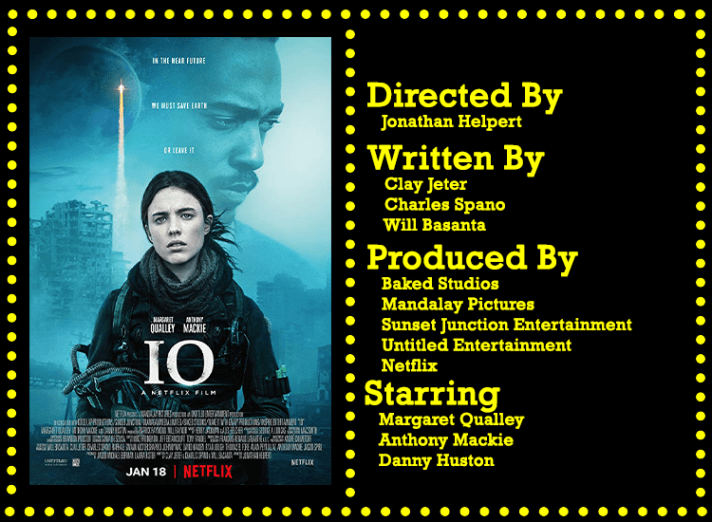
There is nothing on this earth that is quite as boring as spending time watching paint dry. The very concept is used as a mocking description of boredom, an understandable comparison since the idea of enduring the sight of a wall covered in a beige coloured liquid comprised of pigment, binder and solvent until that liquid becomes a solid is an interminably long one as paint can take a very large amount of time to lose its liquid quality. This concept is a cousin to a similar explanation of boredom that we call “Watching Grass Grow”, both ideas suggesting just staring at something that does something so slowly that it’s almost impossible for the naked eye to witness it happening. I would like to also include the phrase “Watching the movie IO” as a new descriptive term for boredom.










 Movie Meister Reviews