
Released: 2nd February
Seen: 26th February
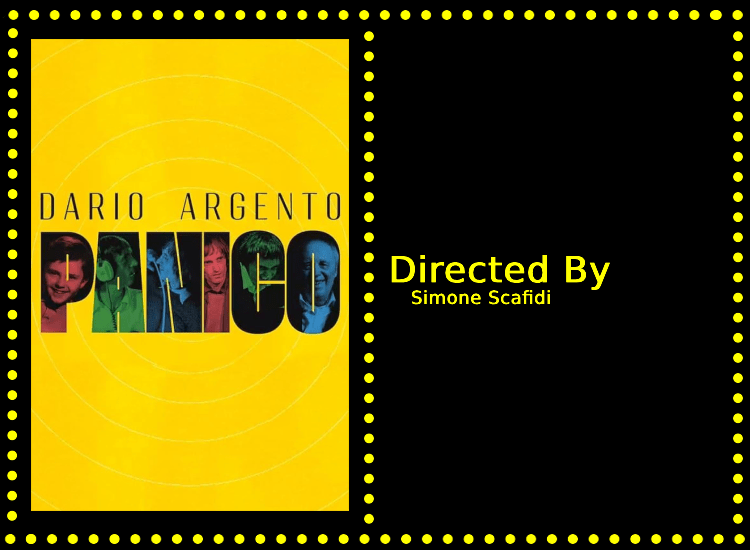
In the history of the Horror genre, there are a few iconic directors whose work is so distinctive that their last name becomes a descriptive term. Hitchcock, Carpenter, Raimi, these names have all been used to conjure a specific style of filmmaking that people still mimic to this day. One name particularly powerful name that managed to define a certain kind of horror film is Argento, as in Dario Argento the legendary Italian director who made his name synonymous with a major element of the Italian horror of the 1970s and 80s with his works The Bird With The Crystal Plumage, Inferno, Deep Red, Opera and probably his most famous work, Suspiria. During one of the biggest periods in horror cinema, Argento was one of the biggest names in the industry who was making funky fascinating fright films that fucked with the audience’s heads and with what cinema could look like. He is on the shortlist of directors whose careers warrant a documentary retrospective and Dario Argento: Panico is pretty much exactly what his work deserves… as a first documentary, anyway.
Dario Argento: Panico utilizes the basic framing device of following Dario as he goes on a retreat to the hotel room where he would write so many of his most famous works because he’s working on another film and needs to isolate himself to write. While that might be the device the film sells itself on, the documentary is actually a chronological deconstruction of Dario Argento’s absolutely fascinating career, from his early writing work to his directorial debut Bird With The Crystal Plumage all the way through to his recently released Dark Glasses. While most of the analyzing is spent on the genuinely iconic films that make up the first few decades of his career, almost every Argento film is touched on and analyzed by Dario, other directors like Guillermo Del Toro and even Dario’s daughter Asia Argento. Over 98 minutes the audience is given a crash course in the history of Argento… and if we’re being honest, the man’s legacy probably deserves something a little more intense than a crash course, but for a crash course it’s pretty good.
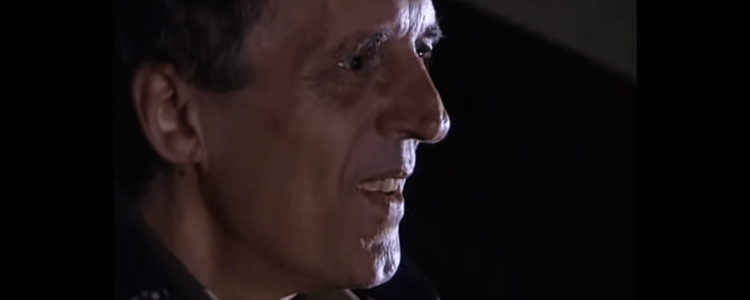
Dario Argento: Panico works at its absolute best when it’s taking the time to talk about the impact of Argento’s films on the industry., His work was truly revolutionary and changed a lot of things about Italian cinema and the talking heads are happy to go into detail about just how impactful these films are. When we get to just sit there and revel in the undeniable impact on cinema this man has had, the film is a ride and a half. While the details about the films themselves get less and less intense the worse the film gets (hope you aren’t curious about the making of Dracula 3D because they aren’t gonna talk about it if they can help it), it knows the audience is mostly there for discussions of the classics and it excels at that.
It’s also truly fascinating when Dario Argento: Panico takes time to interrogate the man behind the horror, largely through the interview with his daughter and with Cristina Marsillach who worked with him on Opera. While the other talking heads might occasionally discuss some of Dario’s eccentricities, it’s the two women who offer the darker sides of the story. While the film is mostly here to praise Dario for being a genius (and he is, anyone who can make a film like Suspiria has to be some kind of genius) it doesn’t shy away from the fact that, like a depressing number of directors from that period, Dario wasn’t always the greatest when it came to how to treat actors. It doesn’t linger on this stuff too much, basically using it when they don’t wanna talk about the bad films from Dario’s later period of work, but it does create a more full and interesting picture of the man. If they just portrayed him as some weird genius it would be dull, seeing the darker human side of him makes for an interesting time.
There are some choices that the documentary makes that are honestly a little baffling, weird choices like showing still images instead of clips from the movies that they’re talking about for most of the time. A huge part of what makes Argento’s films work is that combination of visual style, camera movement and the soundtrack so to show a bunch of still images with the audio playing underneath feels like someone didn’t want to pay for the license to show clips from these films, and sure I get that from an economic standpoint but it undercuts the intent of the film considerably. We’re here to talk about Argento’s cinematic work… maybe show some of it in the way that Argento made it?
Then there’s that central conceit that the film is advertising itself on, the idea that Dario is sequestering himself in a hotel so that he can work on his next script… yeah that’s a non-entity in this film, maybe being brought up a few times just to explain why Dario is being interviewed in the very nice location he’s in but the film itself doesn’t really delve into his process of creating a new work or the difficulties that come with trying to make a film like Dario’s today. It’s a shame because really, it should be all about that, maybe explore why there was a 10 year gap between Dracula 3D and Dark Glasses, show how hard it is for Dario to get a film made today despite the power of his name in the horror world. Hell, just show him sitting at a computer typing a single line from a script, if we’re going to make this the conceit the film is sold on then maybe that should be a major element of the film. It’s not, or at least it never feels like it. No, this is a film about Argento’s work, or at least the work that people want to talk about.
It’s clear that this film has made the choice to focus on the classic stuff that made him an icon of cinema, the stuff that even your uncle who doesn’t watch that many films might hear and go “Oh, I heard of that one”. They want to talk about Suspiria, Inferno, Opera, Deep Red, and all the early stuff but the later career stuff can just be ignored, Indeed the only film that Dario made after 1993 that gets any substantial discussion might be Il cartaio (AKA The Card Player) and even that is mostly about who didn’t get to be in it due to other commitments. Basically, while this film does go into a good amount of detail about some of Dario’s films, it’s clear that we might need to wait a while for someone to make the several-hour epic dissecting his entire filmography. This is just the basic stuff, the absolute must know information that’s going to help act as an entry to Argento’s work but hardcore fans are going to want more.
Dario Argento: Panico is good if you want an entry-level discussion of Argento, a way to get a little taste of the early stuff to see if any of it might appeal to you. It’s still very well made, the interviews are fantastic and hopefully it reminds some studios about how good Argento can be when he’s not worrying about box office so maybe we can get at least one more great film out of the man, but it’s just a really good documentary and a really great filmmaker probably deserves something a little more than just “Good”

 Movie Meister Reviews