Some horror films are fast-paced thrill rides that don’t go
more than 10 minutes without doing something to make the audience jump in their
seats. Some horror films are slower, building tension gradually for a few hours
until it explodes with a dramatic climax that is made exponentially scarier
thanks to the hour of buildup. Then there are horror films that try to be slow,
occasionally throw in a scare to remind the audience that there’s a film going
and builds to a climax that answers nothing, justifies no one and makes the
people watching sit with their jaws hanging open whispering “What the hell did
I just sit through?”. This is that third kind of film.
Released: 24th September Seen: 8th September(Advance copy provided by TriCoast)
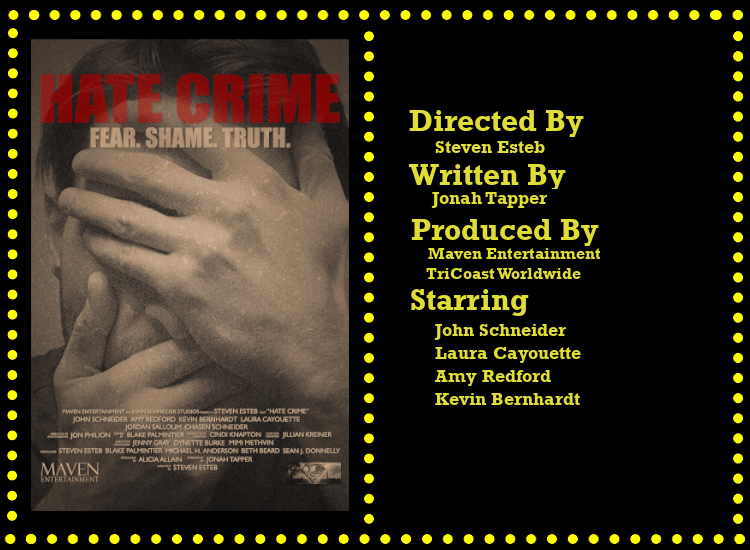
In 2009, America extended its hate crime laws to include crimes motivated by the victim’s gender, sexual orientation, gender identity or disability. This extension was called the Matthew Shepard and James Byrd, Jr. Hate Crimes Prevention Act, named for two victims of notable hate crimes of the 90s that lead to a decade long conversation surrounding hate crimes. This was a conversation that I kind of hoped we wouldn’t need to have anymore, but since there’s been a spike in hate crimes in America since 2017 (I wonder what major event happened that might have led to that?) we apparently need to continue the discussion. The movie Hate Crime wants to tackle a very specific portion of this discussion, one that I’m honestly stunned hasn’t been talked about in more films… just what effect does the aftermath of a hate crime have on the families left behind?
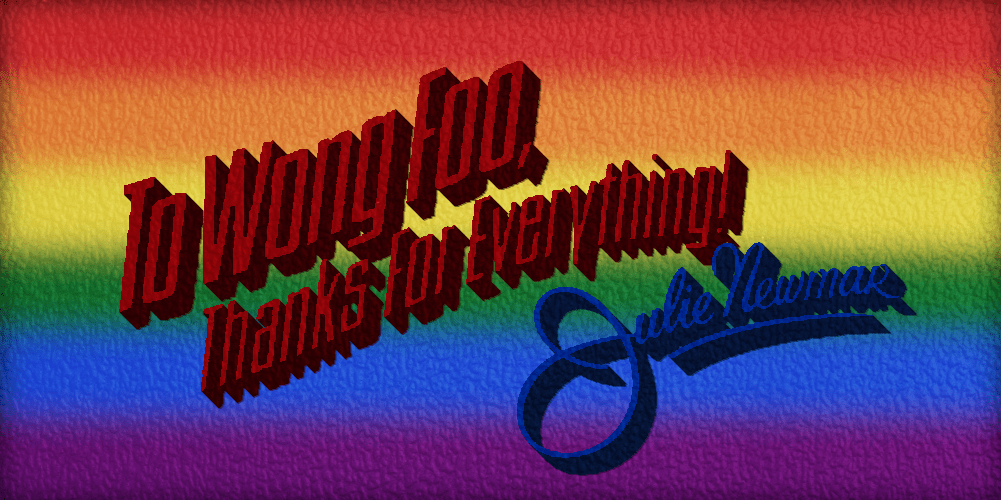
Nowadays, we are living in one of the high points of drag entering the mainstream. Through sheer force of will, a little show called RuPaul’s Drag Race has slowly grown to the point where we are just months away from entering a period where we will have roughly 5 different variations of the Drag Race formula over a 12 month timeframe, along with more cult shows like Dragula being social media darlings. In movies, however, drag queens don’t tend to be a big feature. Sure, in the last few years they appeared in A Star Is Born and the indie circuit popped out a few surprises but in terms of mainstream films embracing drag queens as a major element of the narrative, we haven’t had that since the last 90s when a trilogy of films presented Drag Queens in all their glory. There was the iconic comedy of The Birdcage (with… oh god, the Genie and Timon, gosh darn I can’t remember their real names), before that, there was the Australian classic The Adventures of Priscilla, Queen of the Desert and before both of them, there was the underrated gem with the glorious name of To Wong Foo Thanks for Everything, Julie Newmar.
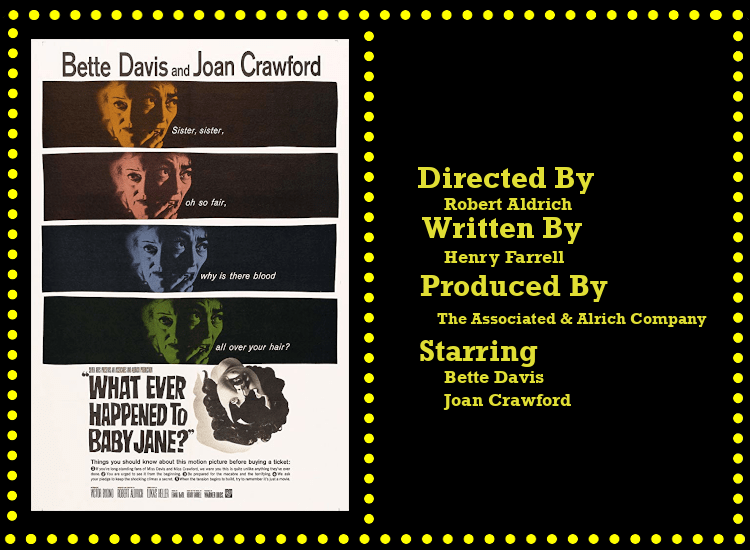
It could be argued that there was no greater Hollywood feud than the one between Bette Davis and Joan Crawford. It’s a hatred that’s so well known that it formed the basis for a hit television series by Ryan Murphy, “Feud: Bette and Joan“. I’m going to link to a timeline of their feud, which started in 1933 and involve marriages, divorces, stolen roles, Oscar scandal and so many of Bette Davis’ most venomous barbs that it’s genuinely stunning that the two of them were able to put their genuine hatred for each other aside long enough to complete a single take in their 1962 classic What Ever Happened To Baby Jane?. But they did, they managed to take their animosity and turn it into one of the biggest films of the year, 14th highest-grossing at the box office and it’s now considered one of the camp cult classics that live on almost as a joke… I don’t get how because the movie is intense as hell, but then again camp is a strange thing.
Today I officially pass a milestone, one
I’m genuinely proud of. This is my 100th review for 2019, specifically my 100th
review of a current film that’s in cinemas right now. If we include recent
throwback reviews, editorials and the Drag Race stuff, the number would be
higher but doing 100 written reviews of films from this year feels pretty big,
pretty special. It’s the kind of thing that one celebrates by adjusting their
schedule and making sure the 100th film is in some way relevant to this blog
and my history as a reviewer. Luckily for me, such a film came out. In the
first year of this blog I produced a list of the worst films of 2017 and at the
very top of that list was a little film called A Dog’s Purpose. I will contend that this film is one of the worst
I’ve ever seen and I legitimately loathe everything about it. I also hate its
spinoff that came out recently and now we’re at the official sequel, A Dog’s Journey and I am gleeful to
inform you that I don’t hate it… hate implies feelings, and this film doesn’t
deserve that kind of reaction.
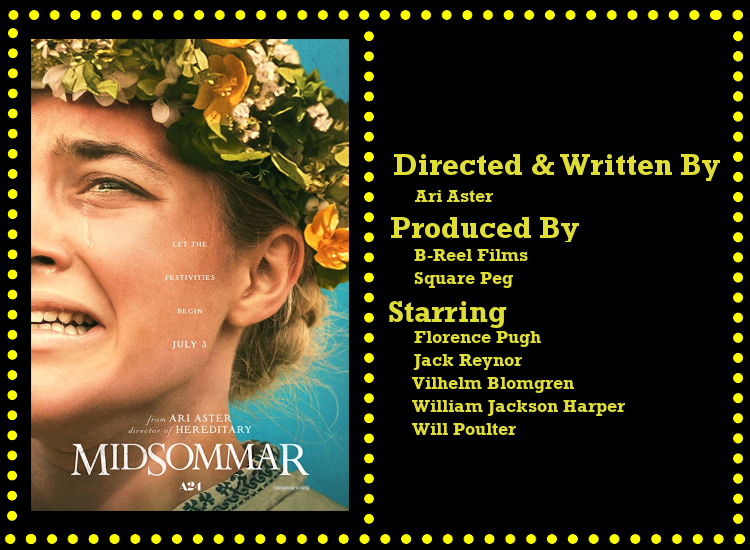
In 2018, Ari Aster burst onto the scene with his critical darling Hereditary. It’s possibly one of the most tension-filled films in recent memory with a performance by its lead that can best be described as “Should’ve gotten an Oscar nomination and would’ve if the Academy had anything resembling a functioning brain”. It was a delightfully terrifying film that I ended up giving a three out of five because the ending really threw me. With over a year to think about that, while the ending really did spoil the tension for me I have to admit it deserved at least a four from me so keep that in mind as I’m going to be pitting Midsommar against Hereditary, because Ari Aster is such a unique filmmaker that his current work can only be properly compared to his other work.
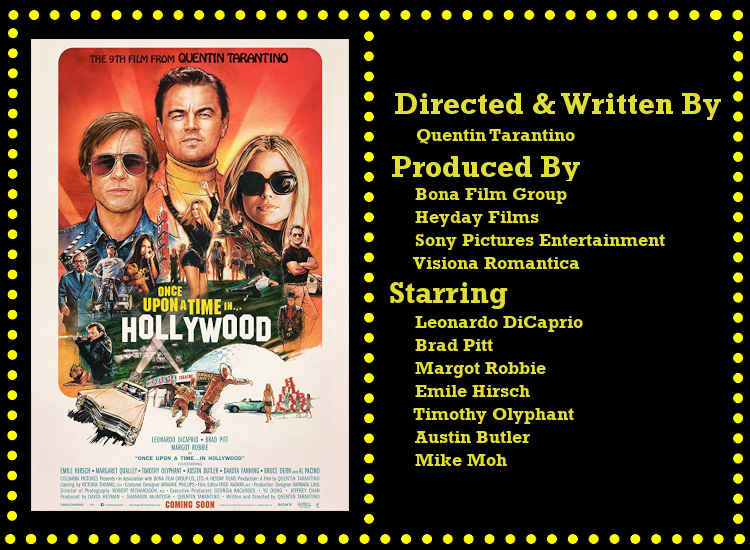
Once Upon a Time in Hollywood is the 9th film by Quentin Tarantino, so possibly his second last if he keeps to the idea of retiring after 10. For this film, Quentin decided to ask one very simple question that would end up creating possibly the most controlled film of his incredible career… what if the Manson Family had gone to the house right next door to Sharon Tate instead. It’s another in Quentin’s series of “Historical Revisionism” movies, along with Inglorious Basterds and Django Unchained but I think this might be the best version of that kind of story that Quentin’s ever done.
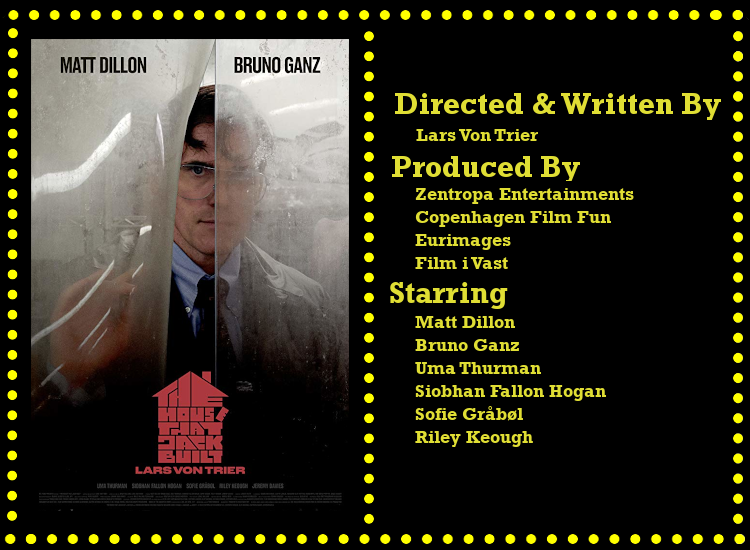
I do not think there is a more controversial director working today than Lars Von Trier. His films have an extraordinary ability to divide an audience in 10 minutes. You either love his work or hate it and there is no real room for anything between those. He is one of the few true auteur filmmakers who also helped invent an entire movement in cinema known as Dogme 95, which I highly recommend looking up because it is kind of insane and will go a long way into explaining why Von Trier’s films are the way that they are. Now I’ve always been iffy on Lars, enough that I have just kind of avoided his work. I saw Antichrist years ago, a film that I consider one of the great comedies of all time (provided you watch it directly after you watch Irreversible) and I’ve seen clips of Melancholia but I have had no real desire to watch any more of Lars’ movies… and then I decided to be a reviewer and he put out a film that I would need to watch and talk about, so I’m not exactly in a great mood right now but mostly I just need a nap.
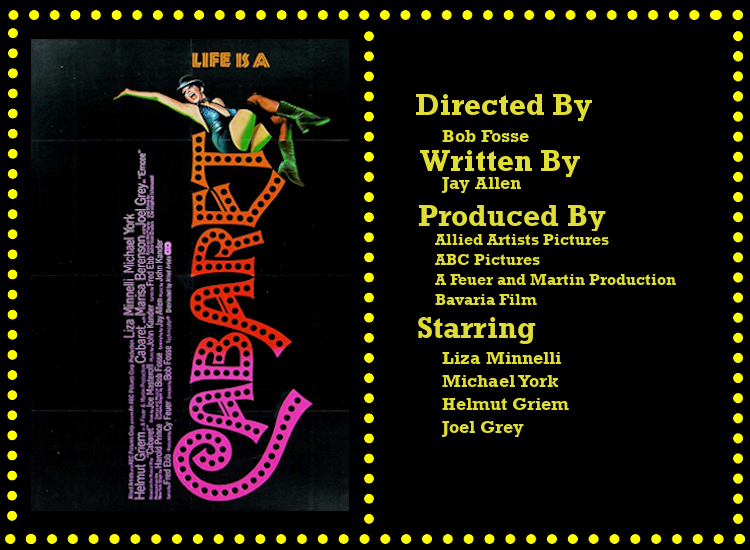
So, here’s a fun thing I do that’s very stupid. Sometimes, if a classic film has a reputation as being one of the all time classics… I won’t watch it. Most of these are films from before I was born or, at least, young enough that I wouldn’t have been able to see upon release but if they’re influential as hell then I probably missed them. This is for a variety of reasons that I think make sense (they don’t, I’m dumb). The first is just a lack of availability, half the fun of being in Australia is that a lot of major films don’t end up on easily available streaming services at an affordable rate. The second reason is simply that there’s so many current films out that I genuinely didn’t have the time to catch up on them, I don’t have time to go back and watch Terms of Endearment because I have to go catch a 3pm screening of Here Comes The Grump (like I said, I AM DUMB). The third, and only legitimate reason I have, is that I have this worry that I will be tainted by the films that referenced the classic so it won’t seem as good by comparison. This actually happened with Psycho, a movie I didn’t watch until this year because I had not only seen a billion people reference the shower scene, but I’d seen the horror films that took influence from Psycho and tried to go beyond the kind of violence that was considered shocking in 1960. For the record, upon seeing it I did promptly kick myself for being so dumb but I still do it. I tell you all this because I should’ve seen Cabaret long ago, but I saw everyone reference it and worried it wouldn’t hold up so please remember to aim the tomatoes you want to throw directly at my face, I deserve it.
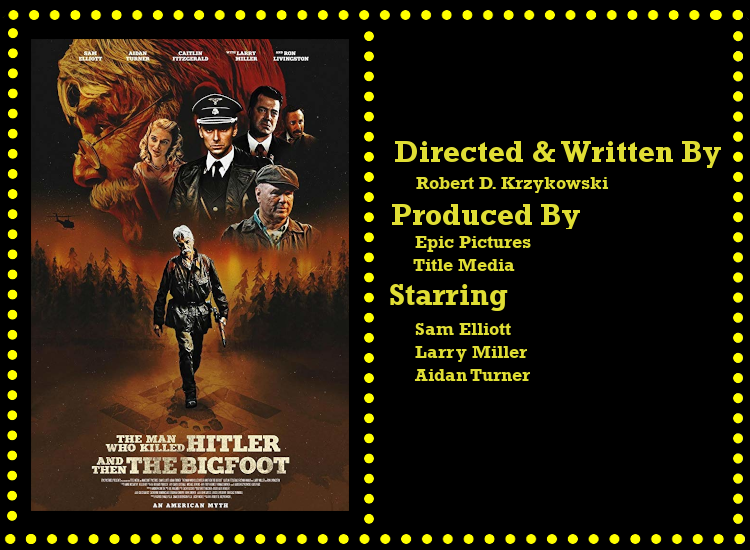
Sometimes a film title tells you everything that you need to know about a movie before you even walk into the cinema. A title like Scream, short and pithy as it is, tells you the exact reaction the filmmakers hope to get out of you. A title like Sharknado tells you that you’re in for something gloriously silly and over the top. So how do you think I reacted when I saw that there was a film with the title The Man Who Killed Hitler and Then The Bigfoot? That’s right; I was elated because that is one of the most glorious titles that I have ever read in my life. It’s a title that drips with promise and potential, the suggestion of some glorious insanity that will be the kind of film that you watch drunk with friends. It sounded so fun and so camp… and then the film started and delivered a very different film that I’m still unsure about.





 Movie Meister Reviews