Time for another batch of documentary shorts from the Melbourne Documentary Film Festival, because they’re there and we can totally do this. This time, it’s session 6 that we’re going to go through. The same setup as before, roughly a paragraph on every short so let’s get into it.
So, mild housekeeping. Normally on this blog I review feature-length films because that’s what’s easily available to me and provides the most material for a review. For the next week I’m going to be focusing entirely on some shorts available during the Melbourne Documentary Film Festival, so basically I’m going to pick a series of shorts and review them all for about a paragraph each. Why? Because it’s my blog and I do what I want!
Keith Looby is one of those artists that did a ton of great work, some winning major awards, who has been almost completely forgotten by the masses. He won the Archibald Prize in 1984, was named Canberra artist of the year in 1992 and has had a series of exhibitions all over the world and yet it feels like his name is not as well known as it should be considering his impact. Part of this could be due to his relationship with the art world in general which we can politely call “Troubled”… and this relationship is the main focus of the documentary about Looby’s life.
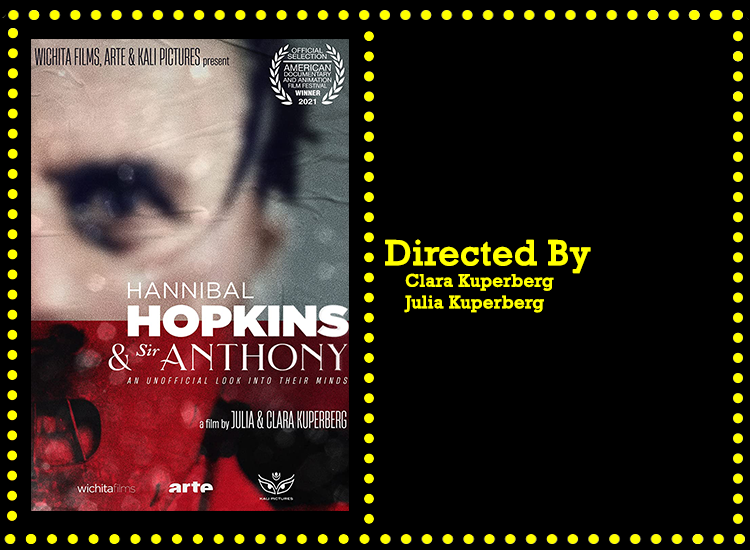
This year’s Oscars ceremony might go down as having one of the most insane endings ever, and I’m including that time La La Land won for about 17 seconds. If you recall the ceremony ended up switching the categories around in order to put Best Actor at the end of the show in a move that was clearly anticipating Chadwick Boseman winning for his stellar performance in Ma Rainey’s Black Bottom. Everyone on social media at the time could see this coming, the ending felt obvious and we all waited with bated breath to see Chadwick’s widow walk up and emotionally destroy us… and then Anthony Hopkins won, wasn’t allowed to give a speech over Zoom because the people producing the show are idiots, and then the ceremony just ended. It was a catastrophe that was, rightly so, the lowest viewed Oscars ceremony in history.
That being said, it did give Anthony Hopkins his second Oscar which puts him in a league of legendary actors who have more than one Oscar to their name, so now seems like a great time to release a documentary about him… It’s such a pity that it feels like this one started production just after he won the Oscar in April and was ready to be presented a month later in May.
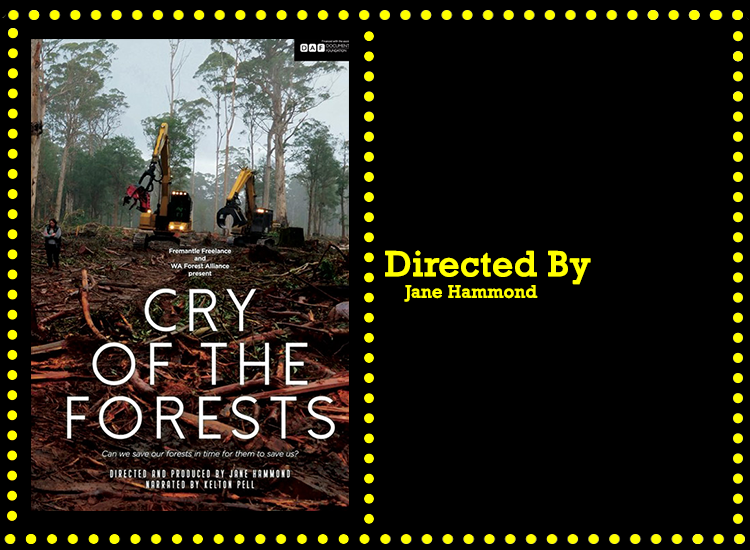
So have you noticed how our planet is all kinds of screwed thanks to big industries deciding to put quarterly profits over the concept of humanity living on this planet? I have, it keeps me up at night which is not a thing I needed help doing! Do you know who else has noticed this big problem? The protestors that make up many of the subjects for the film Cry of the Forests and to put this in modern-movie terms, this documentary turns them into environmental Avengers doing their best to defeat the logging company destroying a precious resource… it’s heartbreakingly important.
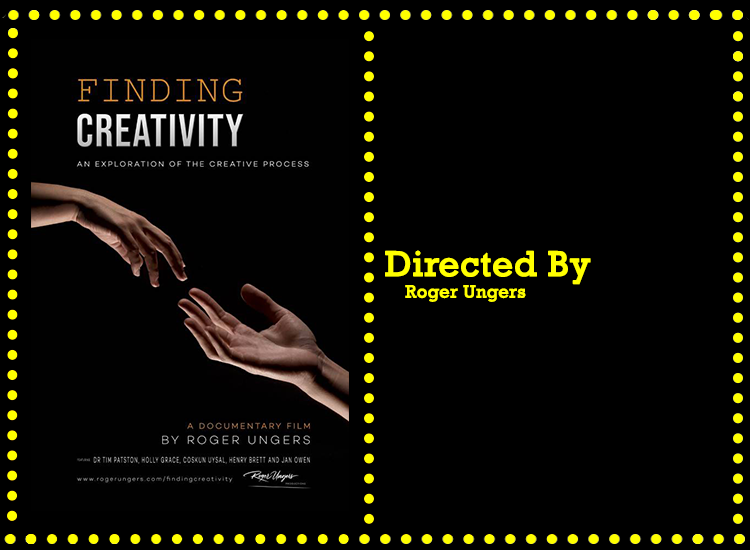
Trying to describe creativity is not an easy thing, it feels like one of those topics that can only be described with the famous phrase used by the United States Supreme Court in relation to pornography “I know it when I see it”. Putting the concept of creativity into words, describing what it means to be creative and how one develops a creative mind is not an easy thing to do… but the documentary Finding Creativity somehow pulls it off in under an hour which is upsettingly brilliant.
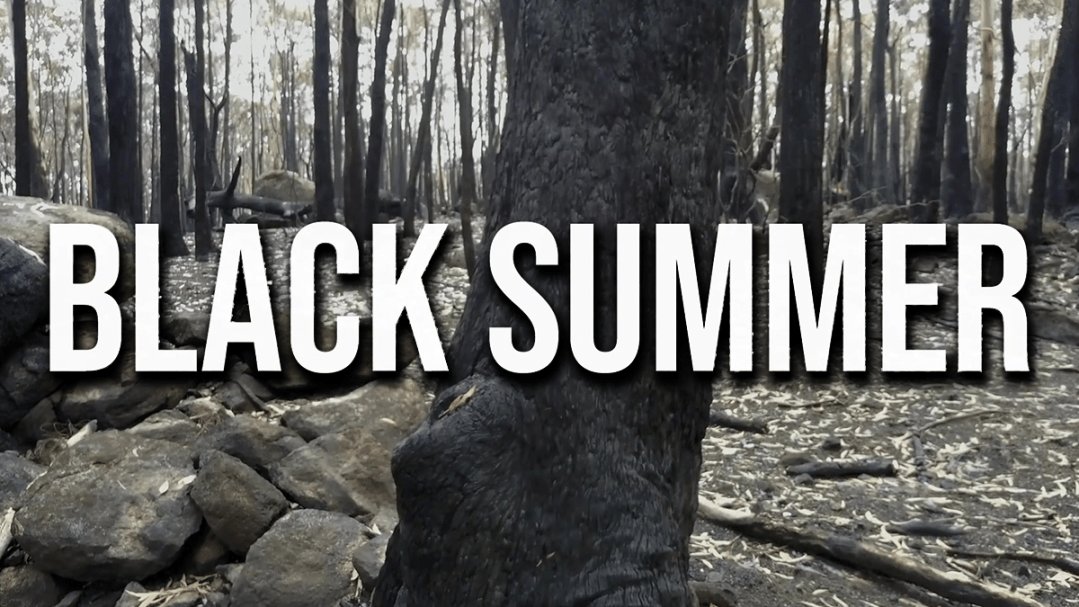
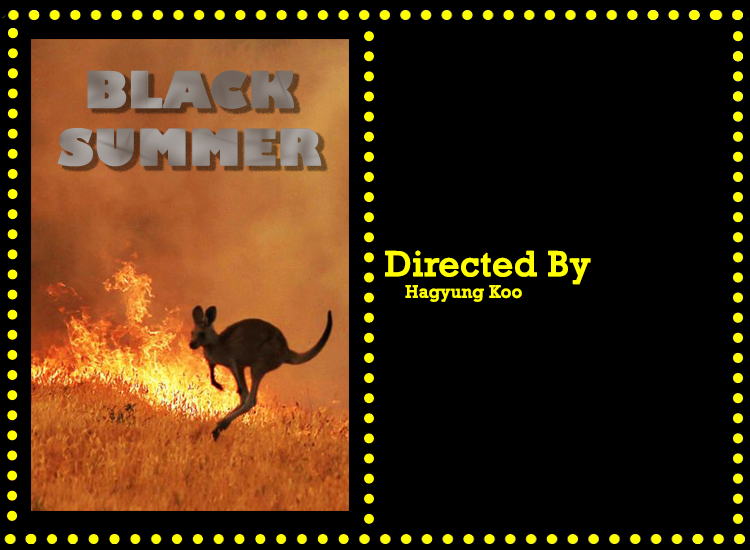
From the end of 2019 until the start of 2020, a large portion of my home state was on fire. The fires were mostly in country areas and so intense that the smoke made it over the ocean to New Zealand, where the sky turned an angry orange and the air became so toxic that people in NSW were wearing masks long before it was cool to do so. It was truly a devastating fire, destroying nearly 10,000 buildings and killing 34 people directly and 445 people from smoke inhalation.
The history of anti-Asian racism in Australia is much like the history of all racism in Australia… it goes back to the Federation of this country and the white people try to pretend we’ve gotten better when we really haven’t. Sure, every country born from colonialism contains some history of racism that still impacts people today but today’s film, Do Nothing and Do It Well, really does whatever it can to make it clear to its audience just how intense this history is for one community.
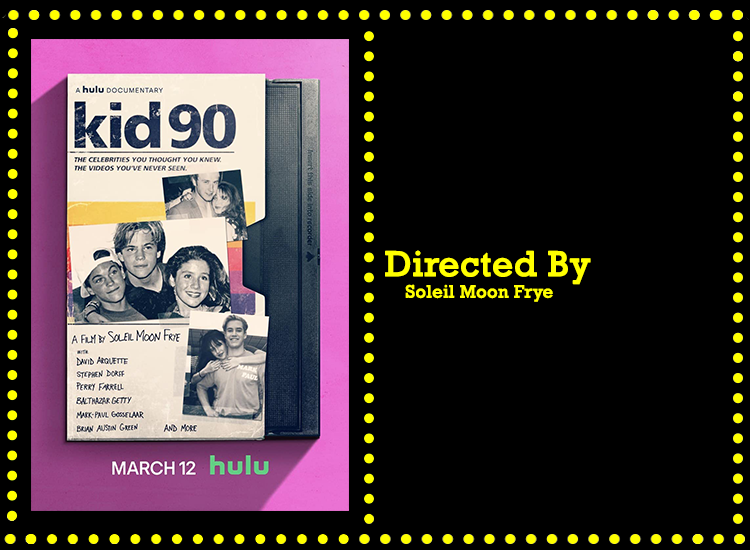
Throughout the history of Hollywood, often those who have had it roughest going through the industry has been children and teenagers. There’s not just a long and disturbing history of abuse, but there’s also just kids who never got to see the money they earned or kids who had to grow up in front of a camera and lost their entire childhoods.
Some of these kids didn’t get to grow up fairly and ended up having serious problems that followed them throughout their lives, and some have made it out the other side with some horrifying and fascinating stories to tell. Kid 90 is the story of one of those kids, even though it promises to be about several of them.
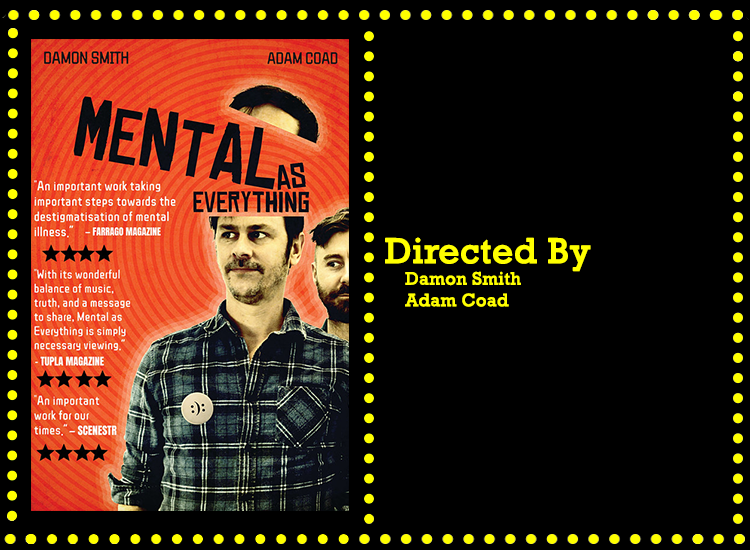
The subject of mental health has never been easy to talk about, no matter how serious it might end up being to those who suffer from it. This is kind of strange when you realise how many people have some form of mental health issue, I’m going to wager that everyone reading this either has some form of mental health issue or knows someone who does. Hell, the person writing this knows several people with serious mental health issues. The reason it’s not talked about as much as it probably should be is because of social stigma… something that the brilliant minds behind Mental As Everything are trying to help with.